![T4 – LEVOTIRON (LEVOTHYROXINE SODIUM ) 150 MCG / PER TAB [ 50 TABLETS ] – ABDI IBRAHIM](/extrabox/img/product/protected_030425030358T4LEVOTIRONLEVOTHYROXINESODIUM150MCGPERTAB50TABLETSABDIIBRAHIM510x510.webp)
![T3 TIROMEL ( LIOTHYRONINE SODIUM ) 25MCG PER TABLET [ 100 TABLETS BOX ] – ABDI IBRAHIM PHARMA](/extrabox/img/product/protected_030425030343T3TIROMELLIOTHYRONINESODIUM25MCGPERTABLET100TABLETSBOXABDIIBRAHIMPHARMA510x510.webp)
![LEVOTIRON (LEVOTIROKSIN SODYUM) 100 MCG / PER TAB [ 50 TABLETS ] – ABDI IBRAHIM](/extrabox/img/product/protected_030425030353WhatsAppImage20241121at2.webp)
![BITIRON – [ T3 -LIOTHYRONINE 12.5MCG / T4 -THYROXINE 50MCG MIX ] – ABDIIBRAHIM PHARMA [ 100 TABLETS ]](/extrabox/img/product/protected_030425030308Bitiron2510x510.webp)
![TADALAFIL 40MG WITH DAPOXETINE 60MG [ EXTRA SUPER TADARISE ] 10 TABLET PACK – SUNRISE REMEDIES PVT LTD](/extrabox/img/product/protected_030725030337WhatsAppImage20250119at7.webp)


![AMALAKI (IMMUNITY WELLNESS ) AMLA [ PROMOTES HEALTH ] – 60 NATURAL HERBAL TABLETS – HIMALAYA](/extrabox/img/product/protected_031125120305AMALAKIIMMUNITYWELLNESSAMLAPROMOTESHEALTH60NATURALHERBALTABLETSHIMALAYA.webp)
![LIVER KIDNEY CARE (BHUMYAMALAKI WHOLE HERB)- [60 VEG CAPSULES] – ORGANIC INDIA](/extrabox/img/product/protected_031125010319WhatsAppImage20250220at7.webp)


The Complete Guide to Anabolic Steroids Education and Risks: What Every Athlete Must Know in 2026
In the dim light of a crowded gym locker room, a 24-year-old amateur bodybuilder named Mark holds a vial of clear liq...


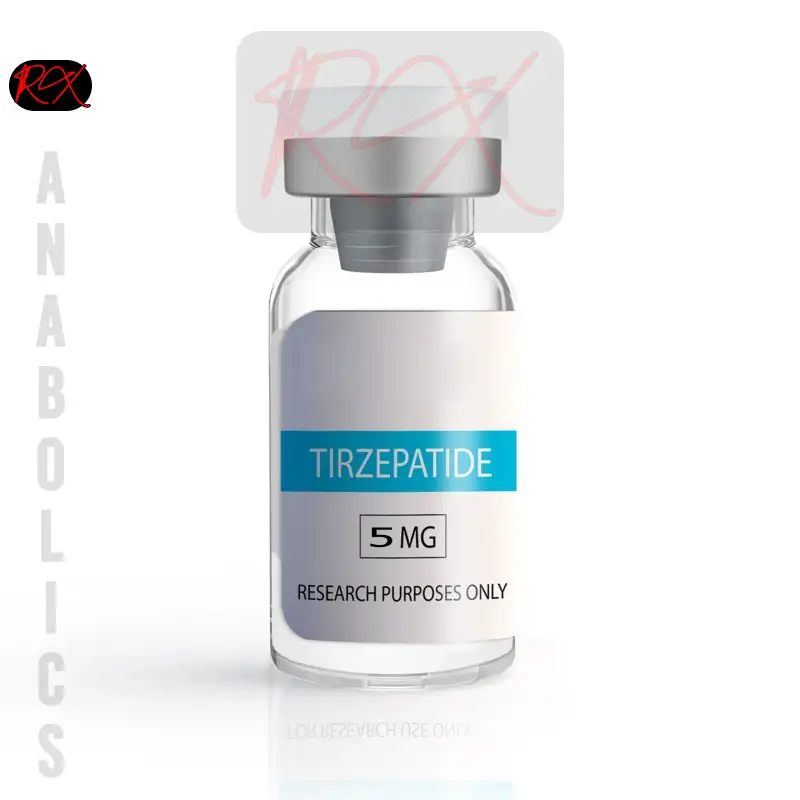
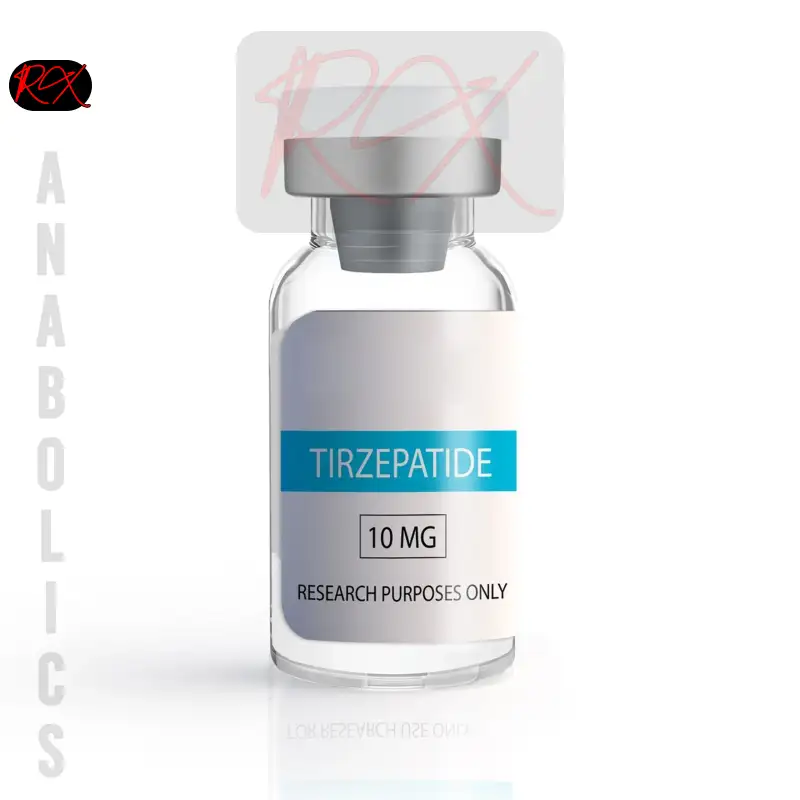


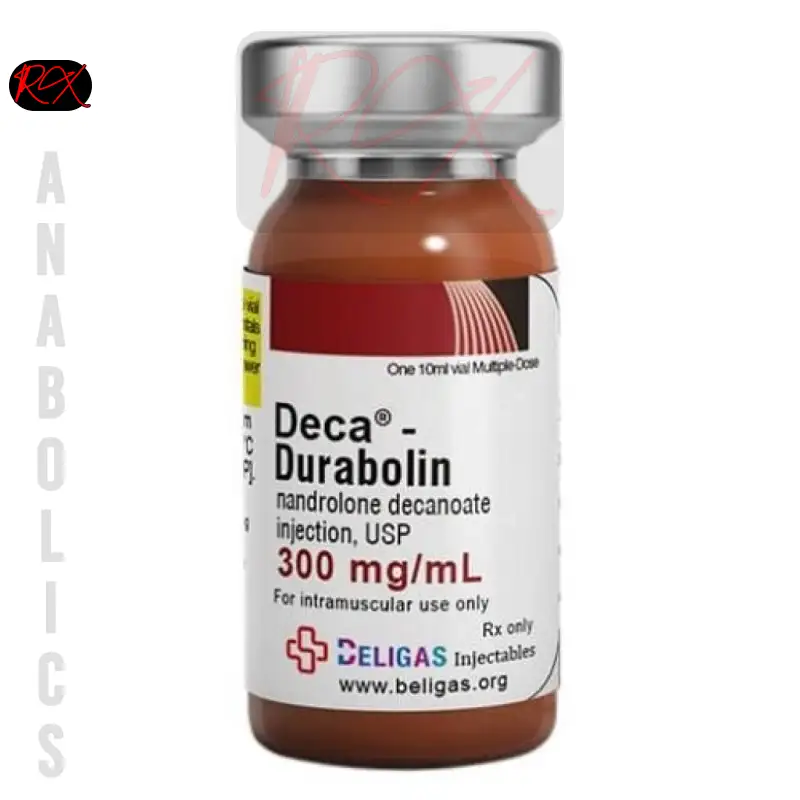


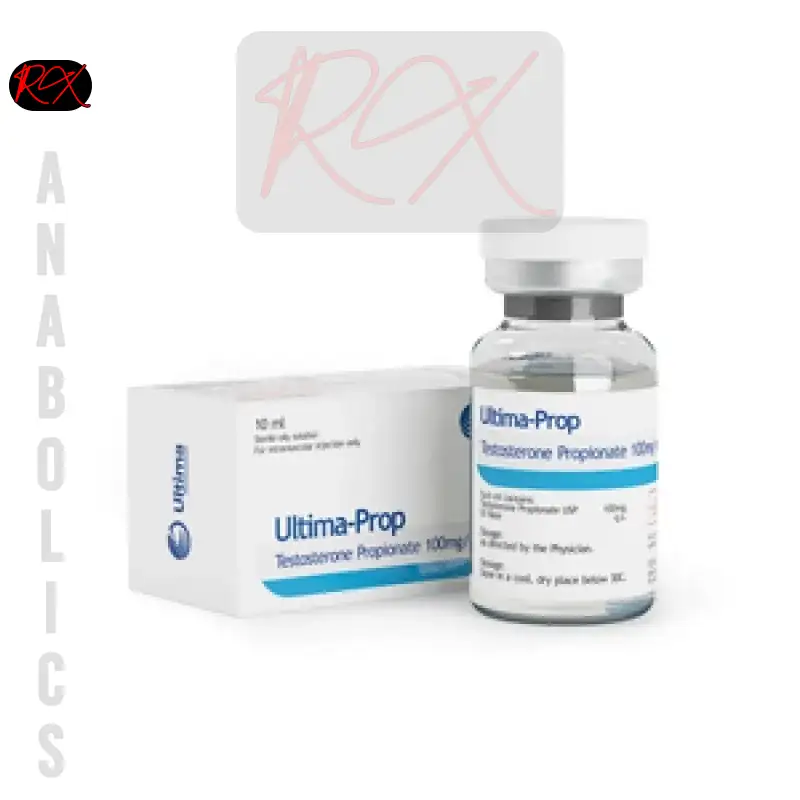


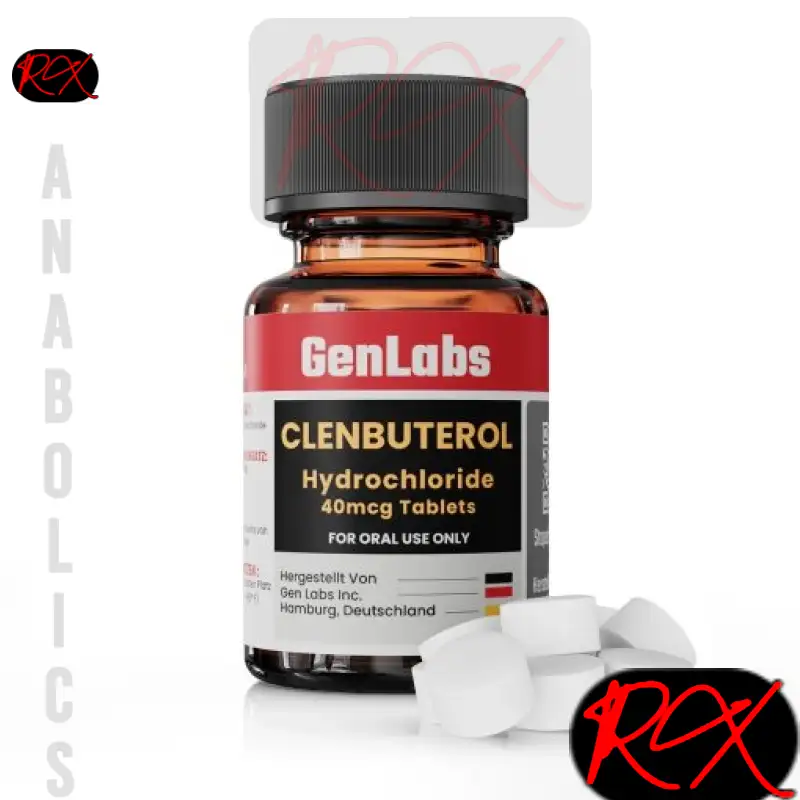


![TESTOSTERONE UNDECANOATE CAPSULES ( TESTOHEAL ) – 40MG / PER CAPSULE [10 CAPSULES]- HEALING PHARMA](/extrabox/img/product/protected_030625110304TESTOSTERONEUNDECANOATECAPSULESTESTOHEAL40MGPERCAPSULE10CAPSULESHEALINGPHARMA1510x510.webp)
![LETROZOLE (FEMARA) – 2.5 MG / PER TAB – HEALING PHARMA [30-TABLETS]](/extrabox/img/product/protected_03062506035010.webp)
![CABERMORE 0.5 ( CABERGOLINE TABLETS ) 0.5MG / PER TAB [ 4 TABLET PACK] – DR MOREPEN](/extrabox/img/product/protected_030625060336Carvbermore2510x510.webp)
![CABERGOLINE 1MG / PER TAB – JOHN LEE PHARMA [4 TABLETS PACK]](/extrabox/img/product/protected_0306250603566.webp)

![GENERIC VIAGRA (SILDENAFIL CITRATE 100MG) – CENFORCE FM 100MG (FOR FEMALES) [10 TABLETS]](/extrabox/img/product/protected_030725030326GENERICVIAGRASILDENAFILCITRATE100MGCENFORCEFM100MGFORFEMALES10TABLETS.webp)


![VIDALISTA – CIALIS (TADALAFIL CHEWABLE) 20MG / PER TAB – CENTURION LABS [10 TABLETS]](/extrabox/img/product/protected_030725030320VIDALISTACIALISTADALAFILCHEWABLE20MGPERTABCENTURIONLABS10TABLETS.webp)
![SILDENAFIL CITRATE 200MG (GENERIC VIAGRA) – CENFORCE [10 TABLETS]](/extrabox/img/product/protected_030725030358SILDENAFILCITRATE200MGGENERICVIAGRACENFORCE10TABLETS.webp)
![SILDENAFIL CITRATE 100 MG (GENERIC VIAGRA) – KAMAGRA GOLD [4 TABLETS PACK]](/extrabox/img/product/protected_030725030342SILDENAFILCITRATE100MGGENERICVIAGRAKAMAGRAGOLD4TABLETSPACKPrice20510x510.webp)


![SHILAJIT EXTRACT HERBAL SUPPLEMENT – [ 60 TABLETS ] – SHILAVITALS](/extrabox/img/product/protected_031125120313SHILAJITEXTRACTHERBALSUPPLEMENT60TABLETSSHILAVITALS510x510.webp)
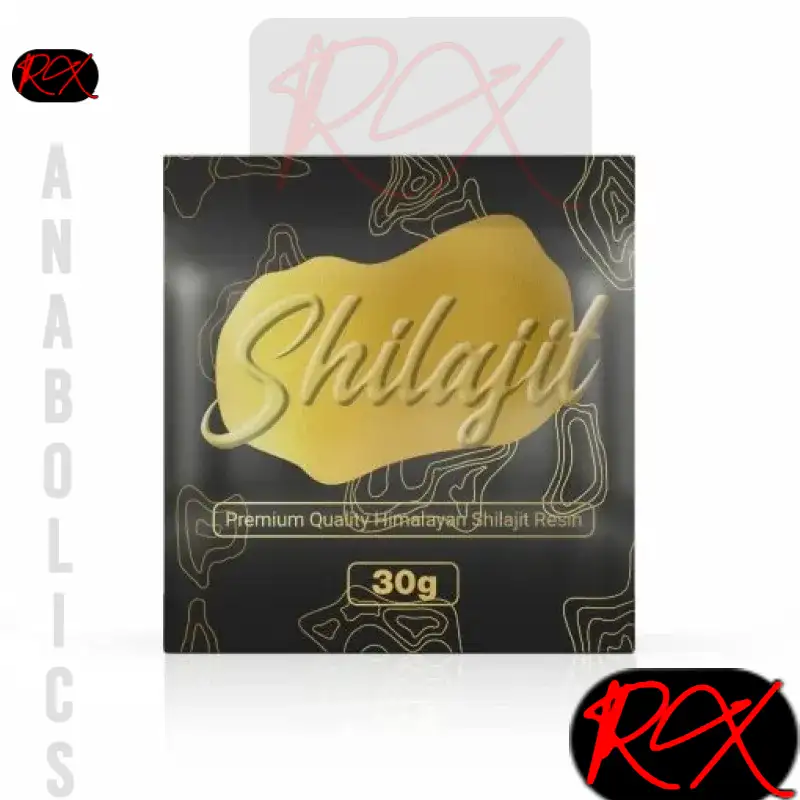

![PURE HIMALAYAN SHILAJIT ( SHILAJIT IN RESIN FORM ) [ 20GM BOTTLE ] – BOLD CARE](/extrabox/img/product/protected_031125120345PUREHIMALAYANSHILAJITSHILAJITWITHFULVICACID20GMBOTTLEBOLDCARE510x510.webp)

![FRUITA VITALS DIETARY SUPPLEMENT – [90 CAPSULES] – SHILAVITALS](/extrabox/img/product/protected_031125120348Fruits2510x510.webp)

![ALOEVERA JUICE ( SUGAR FREE ) [ 32 FL.OZ – 960ML ] – BASIC AYURVEDA](/extrabox/img/product/protected_031125120339WhatsAppImage20250120at11.webp)
![ALOEVERA JUICE ( SUGAR FREE ) [ 16 FL.OZ – 480ML ] – BASIC AYURVEDA](/extrabox/img/product/protected_031125120302ALOEVERAJUICESUGARFREE16FL.webp)

![LIV.52 ( LIVER CLEANSER ) – HIMALAYA [ 100 TABLETS ]](/extrabox/img/product/protected_031125010332LIV.webp)

![IVERMECTIN ( IVERVID 12 ) 12MG / PER TABLET [ 10 TABLETS PACK ] – JEERIMA BIOCARE](/extrabox/img/product/protected_031125050313IVERVID122510x510.webp)
![IVERMECTIN ( IVERFRESH 12 ) 12MG / PER TABLET [ 10 TABLETS PACK ] – ORANGE CITY](/extrabox/img/product/protected_031125050349Iverfresh121510x510.webp)

![ZETIHEAL (EZETIMIBE) 10MG/PER TAB – [10 TABLETS] – HEALING PHARMA](/extrabox/img/product/protected_031125050353ZETIHEALEZETIMIBE10MGPERTAB10TABLETSHEALINGPHARMA510x510.webp)
![ROSUBEST (ROSUVASTATIN) 20MG / PER TAB – [10 TABLETS]- CADILA](/extrabox/img/product/protected_031125050309ROSUBESTROSUVASTATIN20MGPERTAB10TABLETSCADILA510x510.webp)
![LIPVAS (ATORVASTATIN) 10MG / PER TAB – [10 TABLETS] – CIPLA](/extrabox/img/product/protected_031125050300LIPVASATORVASTATIN10MGPERTAB10TABLETSCIPLA.webp)

![BEMPESTA (BEMPODIC ACID) 180MG / PER TAB – [10 TABLETS] – TORRENT](/extrabox/img/product/protected_031125060358BEMPESTA180MGPERTAB10TABLETSTORRENT1.webp)
![SAT-ISABGOL ( PSYLLIUM HUSK ) [ 100G POWDER BASED ] FOR CONSTIPATION – SIDHPUR](/extrabox/img/product/protected_031125060327SATISABGOLPSYLLIUMHUSK100GPOWDERBASEDFORCONSTIPATIONSIDHPUR510x510.webp)
![AYURVEDIC KAYAM TABLETS ( CHRONIC CONSTIPATION, ACIDITY , GAS HEADACE ) [ 30 TABLETS ] – SHETH BROS](/extrabox/img/product/protected_031125060358AYURVEDICKAYAMTABLETSCHRONICCONSTIPATIONACIDITYGASHEADACE30TABLETSSHETHBROS.webp)


![SAUNDARYA ALOE VERA GEL – 150ML (Pimples, Wrinkles & Glowing Fair Skin) [Face Wash] – Patanjali](/extrabox/img/product/protected_031225010324SAUNDARYAALOEVERAGELPIMPLESWRINKLESGLOWINGFAIRSKINFACEWASH150MLPATANJALI1.webp)
![PURIFYING NEEM FACE WASH (SOAP-FREE) – HIMALAYA [NEEM ● TURMERIC 150ML] + FREE GIFT: TOOTHPASTE 80G](/extrabox/img/product/protected_031225010343PURIFYINGNEEMFACEWASHSOAPFREENEEMTURMERIC150MLHIMALAYA1.webp)
![ACCUTANE (ISOTRETINOIN CAPSULES IP) 30 MG / PER TAB – HEALING PHARMA [10 TABLETS PACK]](/extrabox/img/product/protected_031225010306AccufineIsotropinCapsuleIP30mg510x510.webp)
![ACCUTANE (ISOTRETINOIN CAPSULES IP) 20 MG / PER TAB – HEALING PHARMA [10 TABLETS PACK]](/extrabox/img/product/protected_031225010340ACCUTANEISOTRETINOINCAPSULESIP20MGPERTABHEALINGPHARMA10TABLETSPACKPrice251510x510.webp)
![MINIMALIST 0.3% SERUM ( RETINOL ) [30ML BOTTLE] – MINIMALIST](/extrabox/img/product/protected_031225010333MINIMALIST0.webp)
![PREDNIHEAL ( PREDNISOLONE ) 10 MG / PER TAB [ 10 TABLETS ] – HEALING PHARMA](/extrabox/img/product/protected_031225020322PREDNIHEALPREDNISOLONE10MGPERTAB10TABLETSHEALINGPHARMA1510x510.webp)


![MINOXYTOP 10% (MINOXIDIL) [60ML BOTTLE ] HEALING PHARMA](/extrabox/img/product/protected_031225030347Minoxidil103510x510.webp)


![DUTANOL (DUTASTERIDE) 0.5MG / PER TAB – [10 TABLETS] – KNOLL](/extrabox/img/product/protected_031225030310DUTANOLDUTASTERIDE0.webp)


![R1 ROAR PRE WORKOUT (315G TUB ) [ PEACH MANGO ] – RULE ONE](/extrabox/img/product/protected_031225040328WhatsAppImage20241121at2.webp)
![NITRAFLEX KAOS PREWORKOUT [ PEACH PINEAPPLE ] GAT](/extrabox/img/product/protected_031225040339WhatsAppImage20241121at2.webp)

![TOTAL WAR PREWORKOUT [ STRAWBERRY KIWI ] – REDCON1](/extrabox/img/product/protected_031225040335WhatsAppImage20241121at2.webp)

![HYDROCODONE (10 MG) AND ACETAMINOPHEN (325 MG) [ IMPRINT M367 ] ( 20 TABLETS PACK ) – NATCO](/extrabox/img/product/protected_032826010340photo.webp)

SECURE AND DISCREET INTERNATIONAL SHIPPING AVAILABLE


**MOTs-C Peptides: A Detailed Description**
MOTs-C (Mitochondrial Open Reading Frame of the 12S rRNA Type-C) peptides are a newly discovered class of small signaling molecules that have gained significant attention in the field of aging and longevity research. These peptides are derived from a specific region of the mitochondrial genome and have shown promising effects on various aspects of health and lifespan.
Mitochondria, often referred to as the "powerhouses" of cells, are responsible for generating energy in the form of adenosine triphosphate (ATP). As we age, mitochondrial function tends to decline, leading to a decrease in energy production and an increase in oxidative stress. This decline in mitochondrial function has been linked to various age-related diseases and the overall aging process.
MOTs-C peptides are believed to play a crucial role in maintaining mitochondrial health and function. Research has shown that these peptides can help improve mitochondrial respiration, enhance ATP production, and reduce oxidative stress. By doing so, MOTs-C peptides may have the potential to slow down the aging process and promote overall health and longevity.
Studies conducted on animal models and human cells have demonstrated several beneficial effects of MOTs-C peptides. One of the key findings is their ability to activate AMP-activated protein kinase (AMPK), a cellular energy sensor that regulates metabolism and promotes cellular homeostasis. Activation of AMPK has been associated with various health benefits, including improved insulin sensitivity, enhanced mitochondrial function, and increased lifespan.
Furthermore, MOTs-C peptides have shown anti-inflammatory properties by inhibiting the activation of nuclear factor kappa B (NF-κB), a key regulator of the inflammatory response. Chronic inflammation is a hallmark of aging and is closely linked to the development of age-related diseases such as cardiovascular disease, neurodegenerative disorders, and cancer. By reducing inflammation, MOTs-C peptides may help mitigate age-related inflammation and its associated health risks.
In addition to their effects on energy production and inflammation, MOTs-C peptides have been shown to enhance cellular stress resistance. They can activate cellular pathways involved in stress response, such as the NRF2 (nuclear factor erythroid 2-related factor 2) pathway, which plays a crucial role in antioxidant defense and detoxification. By activating these pathways, MOTs-C peptides may help protect cells from oxidative damage and enhance their ability to cope with stressors.
Although research on MOTs-C peptides is still in its early stages, the potential implications for human health and aging are exciting. Further studies are needed to fully understand the mechanisms of action, optimal dosage, and potential side effects of these peptides. However, the preliminary findings suggest that MOTs-C peptides hold promise as a potential therapeutic intervention for age-related diseases and the promotion of healthy aging.
It is important to note that MOTs-C peptides are currently being investigated in preclinical and early clinical trials, and they are not yet widely available as approved treatments. As with any emerging therapy, it is essential to exercise caution and consult with healthcare professionals before considering the use of MOTs-C peptides.

In the dim light of a crowded gym locker room, a 24-year-old amateur bodybuilder named Mark holds a vial of clear liq...
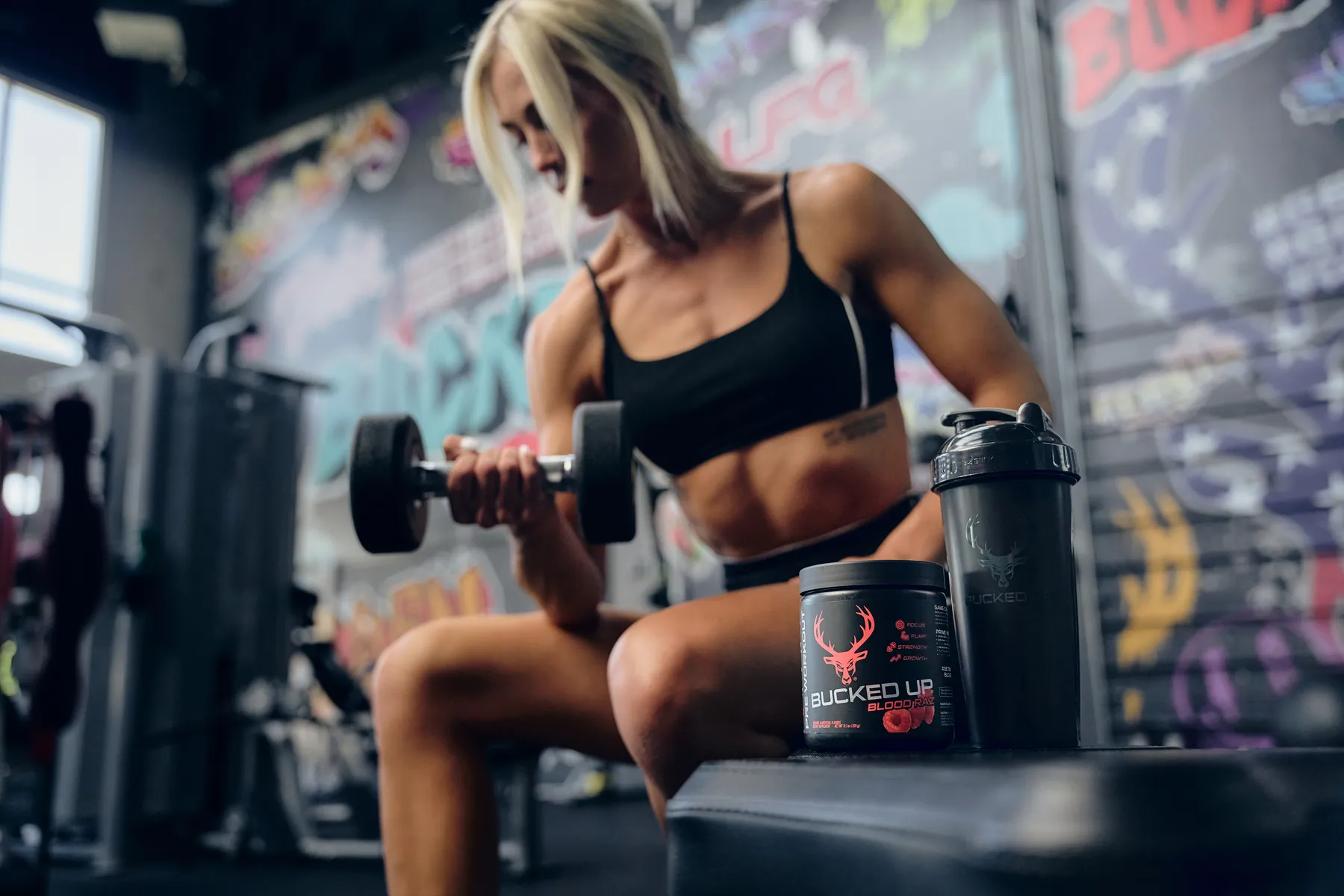
In the fitness world, whispers about anabolic steroids often swing between two extremes: the...

In the fitness and biohacking world, peptides are celebrated for their regenerative power, y...
With several years of experience, we are satified by the overflow of our clients joy towards our services. We thank you all!
IGF-1 DES (1-3), also known as Insulin-like Growth Factor 1 Des (1-3), is a highly potent and modified version of the naturally occurring IGF-1 peptide. This product, manufactured by GenLabs, is a premium-grade research peptide designed for laboratory use only. Each vial contains 2mg of IGF-1 DES (1-3) lyophilized powder, accompanied by a vial of bacteriostatic water for reconstitution. This combination ensures optimal stability and ease of use for research purposes.
Key Features:
High Potency: IGF-1 DES (1-3) is a truncated form of IGF-1, lacking the first three amino acids at the N-terminus. This modification enhances its bioavailability and potency, making it significantly more effective than standard IGF-1 in research settings.
Purity and Quality: GenLabs is renowned for its commitment to quality, and this product is no exception. Each batch of IGF-1 DES (1-3) is rigorously tested for purity, ensuring that researchers receive a reliable and consistent product.
Bacteriostatic Water Included: Each order includes a vial of bacteriostatic water, which is essential for reconstituting the lyophilized peptide. This ensures that the peptide remains sterile and stable for extended periods after reconstitution.
Laboratory Use Only: This product is intended for research purposes only and is not for human consumption. It is ideal for in vitro studies, cell culture experiments, and other scientific investigations.
Enhanced Bioactivity: IGF-1 DES (1-3) exhibits enhanced bioactivity compared to its native counterpart. It binds more effectively to the IGF-1 receptor, making it a valuable tool for studying cellular growth, proliferation, and differentiation.
Lyophilized Form: The peptide is provided in a lyophilized (freeze-dried) form, which ensures long-term stability and easy storage. Reconstitution with the provided bacteriostatic water is straightforward, allowing researchers to prepare the peptide for use quickly.
Applications in Research:
Cell Proliferation Studies: IGF-1 DES (1-3) is widely used in research to study its effects on cell growth and proliferation. Its potent activity makes it an excellent tool for investigating the mechanisms of cellular regeneration and repair.
Muscle and Tissue Research: This peptide is particularly valuable in studies related to muscle growth, tissue repair, and regeneration. Researchers can explore its potential in enhancing muscle recovery and reducing muscle atrophy.
Metabolic Research: IGF-1 DES (1-3) plays a crucial role in metabolic processes. It is used in research to understand its effects on glucose metabolism, protein synthesis, and lipid metabolism.
Neuroprotective Studies: Emerging research suggests that IGF-1 DES (1-3) may have neuroprotective properties. It is being investigated for its potential role in protecting neurons and promoting neural repair.
Storage and Handling:
Storage: Store the lyophilized peptide at -20°C or below for long-term stability. After reconstitution, the peptide should be stored at 2-8°C and used within a specified period to maintain its efficacy.
Handling: Always use sterile techniques when handling and reconstituting the peptide. Avoid repeated freeze-thaw cycles to preserve the integrity of the peptide.
Disclaimer:
This product is intended for research purposes only and is not for human or veterinary use. It is the responsibility of the purchaser to ensure that the product is used in compliance with all applicable laws and regulations.
Conclusion:
IGF-1 DES (1-3) – 2mg/vial (with Bacteriostatic Water) by GenLabs is a high-quality research peptide that offers enhanced potency and bioactivity. Its inclusion of bacteriostatic water ensures ease of use and stability, making it an excellent choice for researchers studying cellular growth, tissue repair, and metabolic processes. With its proven purity and reliability, this product is a valuable addition to any laboratory focused on cutting-edge scientific research.


We remain faithful to serve you the best quality products out there.